Volume III, Issue II Available for Order Now


WHILE TENDING THE BAR AND REFILLING YOUR DRINK, ROMAN MEETS YOUR GAZE.
“People always ask why I keep this place open,” he said.
“And I don’t mind telling them. I actually like when they ask.”
They sit right there. Right where you’re sitting now, fingers tracing the edge of the table, eyes taking in the room like it’s trying to tell them something. And it is. Everything in here is speaking. The walls. The wood. The low hum of the old turntable in the corner, still spinning something warm and familiar. This place just does that.
They ask why I still run it, why I didn’t sell, why I didn’t turn it into something easier. It’s because of Emerald. My mom. It’s because of her revival. This place used to be called Black Roman. That’s before it was a room, when it was just a promise folks believed in.
When I was twelve, my mama brought me here every day after school. I did my homework at the counter while she moved through the kitchen like she was holding the place together with her hands. Boots on. Apron tied. Hair wrapped tight like she didn’t have time for distraction. Lisa, Sharon, and Liz beside her, moving in sync like they’d been doing this their whole lives. They weren’t loud about it. They didn’t perform leadership. They just showed up.
Black Roman was already wounded. Twenty years strong, but fragile in the way only things that carry people can be. Then the nineties came in loud. Sirens. Radios. Helicopters hovering too low. Police everywhere. Tension sitting heavy on the block.
Folks tired of being watched, followed, blamed. When the riot came, it didn’t start here. It didn’t belong to us. But damage doesn’t ask questions. Windows shattered. Tables overturned. Chairs out in the street and the kitchen lingered with smoke and rage. The restaurant caught it all as collateral.
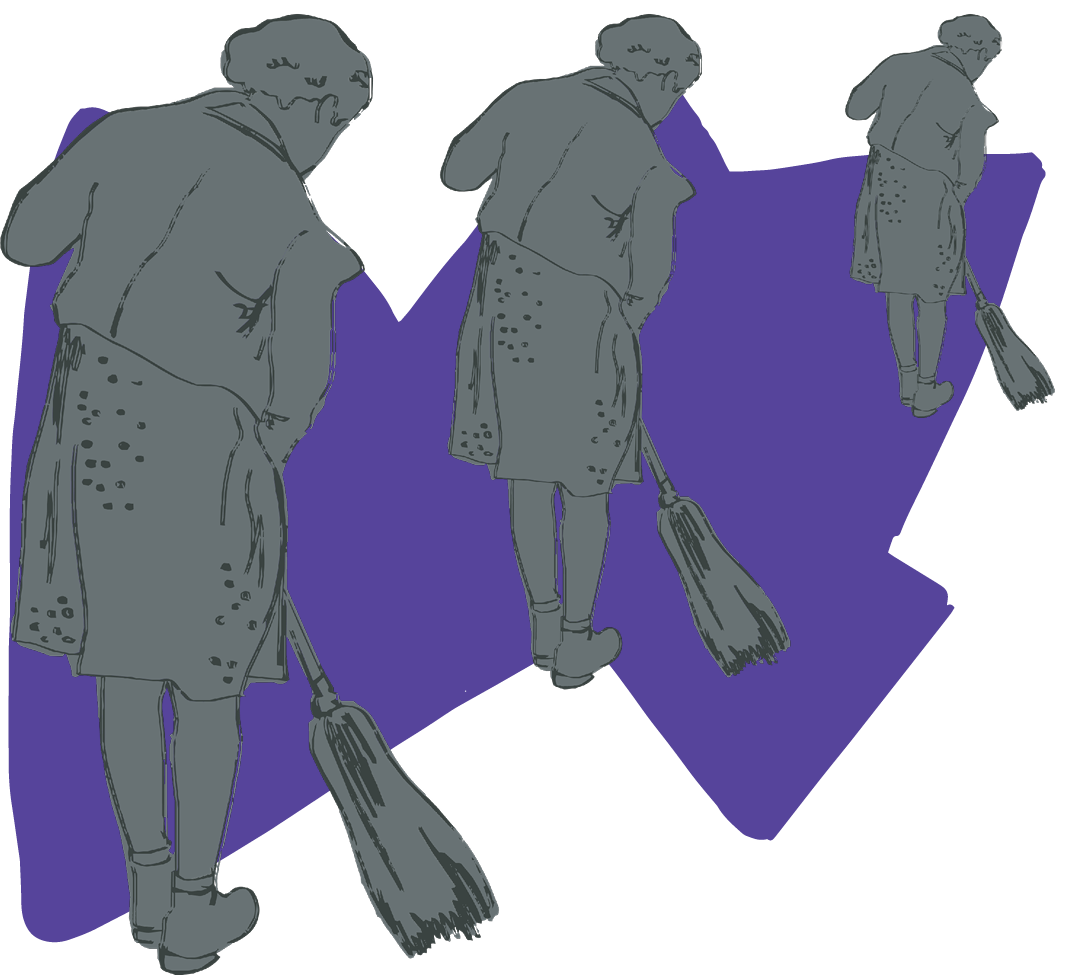
People said the neighborhood destroyed it. That wasn’t true. My mama told me the truth while we swept glass together, broom scraping concrete. I remember the sound of it. The way she paused mid-stroke, looked at me, and decided I was old enough to hold what she was about to say.
“Baby,” she said. “Don’t let nobody lie to you about us. We didn’t break this. Your community didn’t do this. They did. We just had to survive what broke everything else.”
Sirius added later, quieter, folding his words like poems. “Son,” he said, “Systems crush the places that teach people how to stand on their own. Sometimes damage isn’t a choice.”
Black Roman stayed closed after that. Not because the community failed it. But because holding everything gets heavy. Revival didn’t come like a miracle. It came through work.
I watched my parents grieve in the quiet ways children remember forever. Emerald sitting at the kitchen table long after midnight, hands wrapped around cold tea, staring like she was taking inventory of herself. Sirius pacing, muttering lines under his breath, listening to the city breathe through open windows. I’d pretend to be asleep in the hallway. I wasn’t.
This wasn’t about money. It was about how to show up again. How to serve without disappearing.
Then Emerald shifted. She didn’t announce it. She just started choosing herself in small ways. Wearing colors again. Laughing louder. Saying no when she meant no. Talking honestly with Lisa, Sharon, and Liz while I pretended to focus on homework. About how she lost herself inside being needed. About wanting joy without guilt. About rebuilding without erasing who she’d become.
The rebuild started small and stayed that way on purpose—paint before profit, food before branding, the kids from the block before anyone who might write about it. They let me help. Chop onions. Fold napkins. Stir sauces. Listen. Learn. Pay attention. Kids from the block started coming, too. Cooking classes. Homework tables. A place to land. The space didn’t just reopen — it woke up.
It didn’t come back the same. That was the point. The name had to change. Black Roman carried a season. A necessary one. But revival meant growth, not nostalgia. My mom wanted something softer without being weak. Feminine without apology. Alive in the way she was learning to be.
Emerald’s Room. Same bones. New breath. She named it after herself. The day the sign went up, she stood with her hands on her hips, my dad and I by her side. I remember how she looked, like she was meeting herself for the first time.
I didn’t understand then what it cost a woman who had spent years disappearing into being needed—to look up one day and put her own name on the door. I do now. Elders at the front tables. Kids in the back learning knife safety. Music low enough to talk. Food cooked with memory and intention.
Watching her didn’t teach me about women. It taught me about myself. About what it looks like to choose who you’re becoming instead of just surviving what happened to you. She wasn’t resurrecting the past. She was choosing herself again.
She used to say, almost to herself, “It feels so good to meet myself again.” I didn’t understand then. I do now. Revival isn’t a moment. It’s a practice. Every floor scrubbed. Every class taught. Every choice to stay open instead of folding.
I grew with it. Set tables. Led workshops. Took notes. Learned how to hold something bigger than myself.
So now when people ask why I keep this place open, I tell them. Because revival is a decision. And since you’re here—really here—you should know this: Revival isn’t rebuilding what was lost. It’s choosing who you become next. And you get to do that every day. Every day you’re revived.
I wrote this from the interior of the protagonist: a restaurant owner, wife, mother, and community activist, navigating a second rebuild following a life changing riot. This is not a story about the riot or the rebuild, but the woman standing in the middle of both. A woman choosing herself back into existence without anyone clapping. I wrote this thinking about myself and other Black women who rebuild without applause, about legacy that evolves instead of hardens, and about the rooms that raised us. This isn’t a fresh take on resilience so much as a correction to how it gets told—we have words for survival but not enough of them for the specific journey of revival. There’s always the private moment before the shift when a person is just sitting with themselves taking inventory. That underlanguaged interior is where all of my work lives. I created the Meridian series, a multi-book literary fiction project following Black characters navigating chosen identity and self-possession, alongside numerous short stories and a thriller working through these same questions from different angles. The Room Grew With Her came directly from the Meridian series— Roman is a character in the series, and this piece is his one of many origin stories but specifically, an origin to the room that made him. The relationship to the source is personal and specific. I wrote this from the inside and the many women I’ve helped heal what it feels like to not be clapped for while laying the foundation for legacy. These are women I know. This is a room I recognize.